Source Bridal Wedding Dress for Weddings, Proms, and Parties
Compare 16 bridal wedding dress options featuring styles like A-Line and Mermaid with materials such as tulle and satin. Buyers can evaluate customization, sleeve styles, and pricing to find suitable garments for weddings, proms, and formal events; compare the available evidence and request quotations based on your requirements.
Key considerations
Products List


Comprehensive Sourcing Guide
Bridal Wedding Dress Sourcing Guide
Sourcing bridal wedding dresses requires a nuanced understanding of diverse design aesthetics, material properties, and customization capabilities available in the global market. Buyers must navigate a wide spectrum of styles, from classic ball gowns to modern mermaid silhouettes, ensuring that the selected garments align with specific brand identities or end-customer preferences. The observed product landscape indicates a strong emphasis on single-layer tulle constructions featuring lace embellishments, as well as multilayer satin options that offer distinct textural contrasts. Understanding these foundational design elements is critical for establishing accurate product specifications and managing supplier expectations effectively.
Furthermore, the procurement process is heavily influenced by the flexibility of manufacturing partners regarding customization and production volume. Many suppliers offer extensive customization options, including bespoke measurements, custom colors, and varied sleeve styles such as strapless, spaghetti strap, or off-the-shoulder designs. This adaptability allows buyers to cater to niche markets or specific client requests without being constrained by rigid stock inventories. However, this flexibility often comes with varying minimum order quantities and packing requirements, necessitating careful negotiation to balance cost efficiency with operational flexibility.
Product Scope and Observed Listing Signals
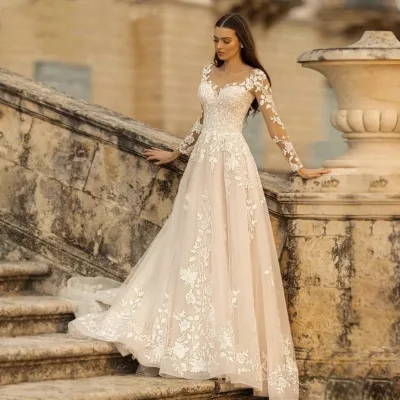
The current market for bridal wedding dresses exhibits a broad range of stylistic variations, catering to diverse occasions such as weddings, proms, and formal events. Observed listings highlight key attributes including A-line and mermaid silhouettes, with neckline options ranging from O-neck to off-the-shoulder and spaghetti strap designs. Materials predominantly feature tulle and 100% polyester, with some satin options available, indicating a focus on lightweight, flowing fabrics that enhance the wearer’s movement and comfort. These material choices are often complemented by decorative elements like 3D lace, embroidery, and beading, which add visual depth and luxury to the final garment.
Seasonal considerations also play a significant role in product selection, with offerings tailored for summer, spring, and autumn wear. The age group targeted primarily spans from 18 to 35 years old, reflecting contemporary fashion trends that favor youthful and elegant aesthetics. Additionally, the availability of both single-layer and multilayer dress constructions provides buyers with options to address different climate conditions and personal style preferences. This diversity in product scope allows for a comprehensive catalog that can appeal to a wide array of consumers, provided that the sourcing strategy effectively matches these varied attributes to the right market segments.
Technical Specifications to Verify
Verifying technical specifications is paramount to ensuring that the final product meets quality expectations and functional requirements. Buyers should meticulously confirm details such as dress length, which often includes full-length options, and the specific construction of layers, whether single, double, or multilayer. It is essential to validate the accuracy of size charts, as many suppliers offer both standard sizes and custom measurements, with some accepting specific US size ranges for stock items. This verification process helps prevent sizing discrepancies that could lead to customer dissatisfaction or costly returns, ensuring a smoother supply chain operation.
Material composition and embellishment techniques also require close scrutiny to guarantee durability and aesthetic consistency. Specifications such as sleeve style, including short, long, or strapless options, must be clearly defined in purchase orders to avoid manufacturing errors. Additionally, the origin of production, often noted as China or specific regions like Suzhou, can influence lead times and logistical planning. Buyers should also verify packing standards, which may vary from plastic bags to cotton boxes, as this impacts storage and presentation. Clear communication of these technical details ensures that the supplier delivers exactly what was ordered, minimizing the risk of miscommunication.
Compliance and Safety Documentation
While specific certification statuses are not explicitly detailed in the observed listings, buyers must proactively request relevant compliance documentation from suppliers to mitigate legal and safety risks. This includes verifying that materials meet international safety standards for textiles, such as restrictions on harmful substances like azo dyes or formaldehyde. Ensuring that the production process adheres to ethical labor practices is equally important, as many global brands require proof of compliance with social responsibility standards. Buyers should ask for test reports or certificates that confirm the safety and quality of the fabrics and embellishments used in the bridal dresses.
Furthermore, understanding the regulatory requirements of the destination market is crucial for successful importation. Buyers need to ensure that the products comply with labeling, fiber content, and care instruction regulations specific to their target regions. This may involve working with third-party inspection agencies to verify that the goods meet all local legal requirements before shipment. By prioritizing compliance and safety documentation, buyers can protect their brand reputation and avoid potential legal issues, ensuring that the bridal dresses are safe for consumers and compliant with international trade laws.
Cost Drivers and Commercial Terms
Cost drivers in bridal wedding dress sourcing are influenced by material quality, design complexity, and customization levels. The use of premium materials like satin or intricate embellishments such as 3D lace and beading can significantly increase production costs. Additionally, the level of customization, including custom measurements and unique color requests, often leads to higher per-unit prices due to the additional labor and resource allocation required. Buyers should carefully evaluate these factors to understand the true cost implications and negotiate terms that align with their budget constraints while maintaining quality standards.
Commercial terms, including minimum order quantities (MOQ) and payment conditions, vary widely among suppliers. Observed MOQs range from single-piece drop shipping options to bulk orders of 10,000 pieces, offering flexibility for different business models. Buyers should assess their inventory capacity and sales forecasts to determine the optimal order size, balancing the benefits of economies of scale with the risks of overstocking. Clear agreement on payment terms, shipping methods, and return policies is essential to establish a transparent and mutually beneficial commercial relationship, ensuring smooth transactions and financial predictability.
Supplier Qualification and Quality Control
Qualifying suppliers involves a thorough assessment of their manufacturing capabilities, quality control processes, and track record. Buyers should verify the supplier’s ability to handle custom orders, including their proficiency in producing specific styles like ball gowns or mermaid silhouettes. It is also important to evaluate their quality control measures, such as pre-production sampling, in-line inspections, and final random inspections, to ensure consistency and adherence to specifications. Suppliers that offer OEM services and have a history of delivering high-quality products are preferable, as they demonstrate reliability and expertise in the bridal wear industry.
Building a strong relationship with suppliers through regular communication and feedback is crucial for long-term success. Buyers should establish clear quality benchmarks and provide detailed feedback on any defects or issues encountered during the production process. This collaborative approach helps suppliers improve their processes and ensures that future orders meet the desired quality standards. Additionally, conducting periodic audits or site visits can provide valuable insights into the supplier’s operational practices and commitment to quality, fostering trust and confidence in the partnership.
Long-Term Procurement Checks
Long-term procurement checks involve continuous monitoring of supplier performance and market trends to ensure sustained competitiveness. Buyers should regularly review key performance indicators such as on-time delivery rates, product quality consistency, and responsiveness to changes. This ongoing evaluation helps identify potential issues early and allows for proactive adjustments to the sourcing strategy. By maintaining a close watch on supplier performance, buyers can ensure that their supply chain remains resilient and capable of meeting evolving customer demands and market conditions.
Staying informed about emerging trends in bridal fashion, such as new materials, styles, or customization options, is also essential for long-term success. Buyers should engage in regular market research and attend industry events to gain insights into consumer preferences and competitor activities. This knowledge enables buyers to make informed decisions about product development and sourcing strategies, ensuring that their offerings remain relevant and appealing to target audiences. By combining rigorous supplier management with strategic market awareness, buyers can build a robust and adaptable procurement system that supports long-term growth and profitability.
FAQs
What customization options are available for bridal wedding dresses?
Customization is available for these dresses, allowing buyers to select specific colors or measurements. You can choose from picture colors or request custom colors. The supplier accepts standard sizes or custom measurements to ensure a perfect fit for your needs.
Which materials are used to make these bridal wedding dresses?
The dresses are crafted from various materials including tulle, 100% polyester, and satin. Some styles feature single layers while others have double or multilayer constructions. This variety ensures different textures and drapes suitable for various wedding themes and personal preferences.
Can I order a single piece of a bridal wedding dress?
Yes, you can order a single piece as the minimum order quantity is one piece for many models. However, some specific items may require a higher minimum order quantity of up to ten thousand pieces. Always check the specific model details before placing your order.
What styles and silhouettes are offered for bridal wedding dresses?
Available styles include ball gowns, A-line, and mermaid silhouettes. Necklines vary from O-neck to off-the-shoulder and spaghetti strap options. Sleeve styles range from sleeveless and strapless to short and long sleeves, providing diverse choices for every bride.
Where are these bridal wedding dresses manufactured and shipped from?
These dresses originate from China, with specific manufacturing locations noted in Suzhou. The products are packed in plastic bags, cotton boxes, or customized cartons. This ensures safe transport while maintaining the high quality standards expected for wedding attire.
What occasions are these bridal wedding dresses suitable for?
These dresses are designed for weddings, proms, formal events, and parties. They are suitable for various seasons including summer, spring, and autumn. The elegant designs make them versatile choices for multiple celebratory occasions beyond just the wedding ceremony itself.
How are the bridal wedding dresses decorated and embellished?
Decorations include 3D lace, embroidery, and beading to enhance the visual appeal. Some dresses feature lace embellishments that add texture and sophistication. These details are carefully applied to create a stunning look that complements the overall style and silhouette of the gown.